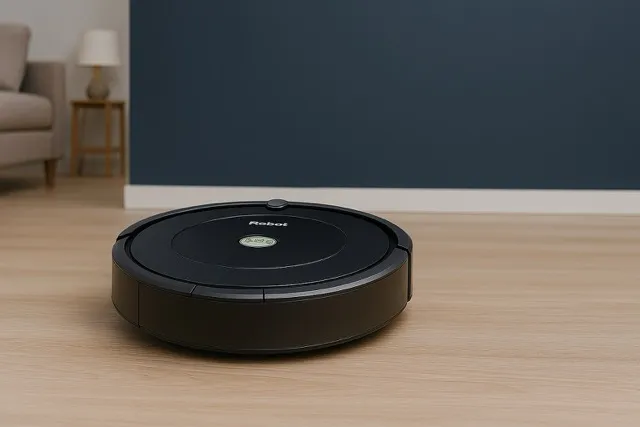

- iRobot (Roomba maker) filed for Chapter 11 on 14–15 December 2025 in Delaware.
- Shenzhen PICEA Robotics—its main manufacturer and lender—will acquire 100% of iRobot’s equity, taking the company private through a court‑supervised restructuring.
- iRobot says no disruption is expected to the app, devices, or support while the process completes.
- Shareholders are likely wiped out; the stock will be delisted after completion.
- For consumers, the near-term experience should remain stable; medium-term changes may include pricing updates, shifts in product cadence, and increased clarity on data stewardship and privacy.
Why this matters for customers
Robot vacuums aren’t only gadgets; they’re always‑on appliances mapping our homes, collecting behavioural cues (when we’re in or out, cleaning routines), and interfacing with voice assistants. In a restructuring of this scale, three wellbeing pillars come into play:
- Continuity & Reliability: Will your Roomba still work, receive updates, and remain safe?
- Privacy & Autonomy: Who holds your home’s maps and usage data, and under what jurisdiction?
- Cognitive Load & Trust: How much mental effort do you spend tracking changes to apps, terms, and support—and does the brand still merit trust?
iRobot and mainstream outlets emphasise that apps and services will continue in the ordinary course during the Chapter 11 process—good news for reliability and cognitive load in the short term.
What actually happened (the short version)
This is not a £1.3–£1.4bn cash acquisition headline à la Amazon’s earlier bid. Instead, iRobot entered a pre‑packaged Chapter 11—a planned restructuring with creditor support—under which PICEA will receive 100% of iRobot’s equity , and the company will go private. iRobot has told consumers to expect no interruption to app functionality, customer programmes, supply chain relationships, or product support. The company aims to complete the process by February 2026.
The backdrop: iRobot faced pricing pressure from well‑featured competitors, tariff‑linked costs, and the collapse of Amazon’s proposed deal in January 2024, which prompted layoffs and leadership changes.
Best Smart Vacuum Deals


The stability now and vigilance later
1) Reliability and support
iRobot states operations will continue “in the ordinary course”, and multiple outlets echo the no‑disruption assurance. As a result, existing devices should continue to clean, map, and update, preserving the convenience that underpins many families’ routines. For wellbeing, this reduces anxiety and prevents additional cognitive burden.
2) Privacy, sovereignty and data stewardship
Roombas utilise SLAM-style mapping to gather room layouts, high-level obstacle data, and usage patterns. Under a new owner with manufacturing hubs in China and Vietnam, UK users may reasonably ask: where is data processed and stored, and which laws apply? To date, iRobot has emphasised continuity and support rather than detailed data governance changes; expect clearer statements once the restructuring closes. For now, keep your app updated and review privacy settings, including whether maps are stored locally or in the cloud.
3) Cognitive load: don’t let “news fatigue” erode trust
A high‑profile restructuring can trigger headline churn. To maintain a balanced digital life, subscribe only to official updates(email/app) and avoid rumour spirals on social media. This prevents unnecessary stress and preserves your attention for decisions that genuinely require it (e.g., timing upgrades, warranty claims).
How did iRobot get here?
- Competitive squeeze: The robot vacuum category has matured. Roborock, Ecovacs, Shark and Eufy compressed pricing while adding premium features, forcing iRobot to cut prices and invest more in feature parity.
- Tariff shock: New US tariffs—especially a 46% levy on imports from Vietnam—raised costs and made planning harder, according to court filings and reporting.
- Broken lifeline: Amazon’s bid (announced 2022) was abandoned in January 2024 amid antitrust concerns. iRobot then restructured, shed ~31% of staff, and faced an ongoing cash crunch.
- Debt and arrears: By late 2025, cash balances were thin, and arrears to PICEA (the manufacturer) had mounted. The solution: a pre‑packaged court process that puts PICEA in charge and wipes equity.
What changes next?
Manufacturing integration & product cadence
Because PICEA already manufactures at scale, tighter integration could shorten development cycles and lower costs—potentially boosting value at mid‑range price points. This could be good for households balancing budgets and convenience. The trade‑off: iRobot’s brand identity (premium, US‑engineered heritage) may need careful curation to avoid appearing like a generic ODM‑built product.
Pricing and ranges
Expect price rationalisation across the entry, mid, and premium tiers as the new owner aligns the BOM (bill of materials), logistics, and retail. For UK consumers contemplating upgrades, this could mean better features at lower prices—but also faster refresh cycles. As always, compare independent lab reviews when shopping.
Ecosystem and smart‑home integration
iRobot’s app and mapping are competitive strengths; future differentiation will hinge on on‑device AI, object recognition, privacy controls, and interoperability with voice platforms. If the new iRobot leans into a single‑dashboard home (vacuum + mop + possible lawn/security devices), it may reduce app fragmentation—a wellbeing win by lowering friction and decision fatigue.
Guidance for UK Roomba owners
- Update the app and firmware regularly
Security patches and feature improvements are the frontline of reliability. Set updates to auto where possible. ] - Review privacy settings
Check map storage, data‑sharing toggles, and voice assistant permissions. Prefer minimal cloud retention consistent with the functionality you need. - Save receipts and warranty info
Keep your purchase records and any extended service plans. iRobot says programmes and support continue as normal during restructuring. - Be judicious with notifications and news
Subscribe to official channels; mute speculative sources. Protect your attention and avoid unnecessary anxiety. - Time your upgrade
If you’re considering an upgrade, watch for revised ranges and pricing once the transaction completes. Compare independent lab‑based reviews (suction, navigation accuracy, mop effectiveness).
Market implications (for context)
- Consumers: Potential for better value devices, but scrutiny is needed on data governance and software transparency.
- Competitors: Expect more R&D and pricing pressure across Roborock, Ecovacs, Shark/Eufy. The winners will be those who combine strong hardware with trustworthy software and privacy guarantees.
- Investors: This restructuring prioritises continuity over equity preservation; reporting indicates equity cancellation and delisting post-close.
What we’ll be watching
- Clear UK/EU data statements from iRobot under PICEA ownership: storage locations, retention, third‑party access, opt‑out controls.
- Accessibility and wellbeing features: gentle notification design, quiet‑mode schedules, allergy‑aware settings, and friction‑free parental controls.
- Ecosystem coherence: whether iRobot moves toward a unified app for future devices—reducing app clutter and decision fatigue.
Frequently Asked Questions
Will my Roomba stop working during the bankruptcy?
No. iRobot says operations continue in the ordinary course with no anticipated disruption to app functionality or product support during the Chapter 11 process.
Is this the same as Amazon’s £1.3–£1.4bn bid?
No. Amazon’s proposed deal (2022) was abandoned in January 2024 after regulatory concerns. The current situation is a court‑supervised restructuring in which PICEA acquires 100% equity , and iRobot goes private.
Should UK users worry about their home data?
At present, iRobot emphasises continuity rather than changes to data governance. It’s prudent to review privacy settings and keep apps updated. We expect clearer post‑close statements on data stewardship and jurisdictions.
Will prices change?
Likely. Tight integration with a large manufacturer can reduce costs, which may be passed through as price improvements or feature upgrades at the same price. Monitor new ranges after completion.
What about my iRobot shares?
Company announcements and financial coverage indicate common shareholders should expect no recovery, with shares to be delisted post-transaction. Seek personalised financial advice