
Night Mode on, still wide awake? Evening screen light, dopamine-driving content, poor air quality, and noise can all sabotage your nights. The solution isn’t to “ditch all tech”, but to use smart technology deliberately—in ways the evidence supports—to help your body wind down, raise melatonin, and protect deep sleep. Below are 7 step‑by‑step routines, each backed by reliable science and matched with UK‑available products to make implementation easy.
1) The No‑Scroll Hour (60–90 minutes before lights‑out)
Why it matters
Short‑wavelength, blue‑enriched light delays melatonin and your internal clock, while interactive content keeps the brain in “reward/alert” mode. Large adult cohort data (122,058 participants) link screen use in the final hour to poorer sleep quality and shorter sleep, especially in evening chronotypes (night owls). The NHS recommends at least one screen‑free hour before bed as part of good sleep hygiene.
Evidence: JAMA Network Open (2025); NHS Every Mind Matters.
How to do it
- Set a wind‑down alarm 60–90 minutes before bed. When it rings, stop all scrolling.
- Switch Do Not Disturb on and charge your phone outside the bedroom.
- Replace screen time with a non‑luminous reader such as an Amazon Kindle that won’t blast blue light like LCDs; excellent for screen‑free reading with adjustable warmth.

- Our fastest Kindle ever – The next-generation 7″ Paperwhite display has a higher contrast ratio and 25% faster page turn…
- Ready for travel – The ultra-thin design has a larger glare-free screen so pages stay sharp no matter where you are.
- Escape into your books – Your Kindle doesn’t have social media, notifications or other distracting apps.
If you must glance at a device during this hour, combine the Night Mode routine in Step 2 with minimum brightness(and keep checks under 30 seconds).
2) Night Mode—Done Properly (Spectrum and Brightness)
Why Night Mode alone is not enough
Turning screens warm (Night Mode/Night Shift) reduces short‑wavelength output, but brightness still suppresses melatonin. Studies show that spectrum shift without dimming remains insufficient; melatonin suppression persists if screens are bright.
How to do it
- Warmest setting: Night Mode/Night Shift to maximum amber.
- Aggressive dimming: brightness to the lowest readable level.
- Ambient assist: switch off overheads; use warm, dim bedside light instead.

Smart control via app, voice, or touch
Works with Apple HomeKit, Alexa & Google Assistant
One-touch control (works without Wi-Fi)
Soft, eye-friendly light with dual lampshade
Adjustable white (2700–6500K) & 16M colours
Dimmable brightness (1–100%)
Schedules & timers via app
Compact design, 300 lumens, 6W
3) Audio that Calms (Music, Sleep Stories, Noise—Used Right)
Why it works
Swapping visual light for audio wind‑down reduces stimulation without light exposure. A multi‑arm pilot RCT in working adults found sleep stories and calming music significantly reduced sleep disturbance vs. control. Meta‑analyses report moderate improvementsin subjective sleep quality with slow, instrumental music across weeks.
Noise colours: Harvard Health notes white/pink noise can help mask disruptions; keep volume low and use a timer, as continuous loud audio may fragment sleep.
How to do it
- Choose calm, steady sound: instrumental ambient, gentle classical, or narrated stories designed for sleep.
- Choose instrumental ambient/new age/classical (60–80 bpm) or a narrated story.
- Set a sleep timer for 30–45 minutes so audio fades after you do.
- Keep volume below conversational level.
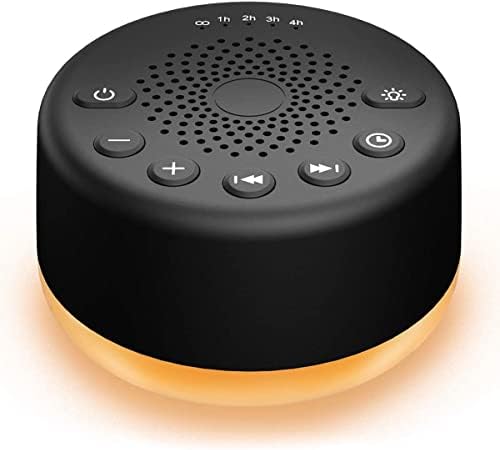
- 【White Noise & Soothing Sounds 】Easysleep white noise machine has wh…
- 【Great Sleep Machine】Easysleep sleep sound machine helps you and you…
- 【5 Timer & Memory Functions】5 timer options: 1h/ 2h/ 3h/ 4h and loop…
- 【4 Modes Warm Night Light & Manually ON/OFF】4 brightness levels with…

- 𝗖𝗢𝗠𝗣𝗔𝗖𝗧 𝗬𝗘𝗧 𝗣𝗢𝗪𝗘𝗥𝗙𝗨𝗟 – The Dreamegg Sleep Lite D11Max is a portable …
- 𝗟𝗢𝗡𝗚-𝗟𝗔𝗦𝗧𝗜𝗡𝗚 𝗕𝗔𝗧𝗧𝗘𝗥𝗬 𝗙𝗢𝗥 𝗗𝗔𝗬 & 𝗡𝗜𝗚𝗛𝗧 𝗨𝗦𝗘 – Everything Sleep Lite D11…
- 𝗨𝗟𝗧𝗥𝗔 𝗣𝗢𝗥𝗧𝗔𝗕𝗟𝗘 𝗔𝗡𝗗 𝗖𝗢𝗥𝗗𝗟𝗘𝗦𝗦 – Enjoy better sleep anywhere with the w…
- 𝗕𝗔𝗕𝗜𝗘𝗦 𝗟𝗢𝗩𝗘, 𝗣𝗔𝗥𝗘𝗡𝗧𝗦 𝗣𝗥𝗘𝗙𝗘𝗥 – It is a soothing sleep aid for babies …
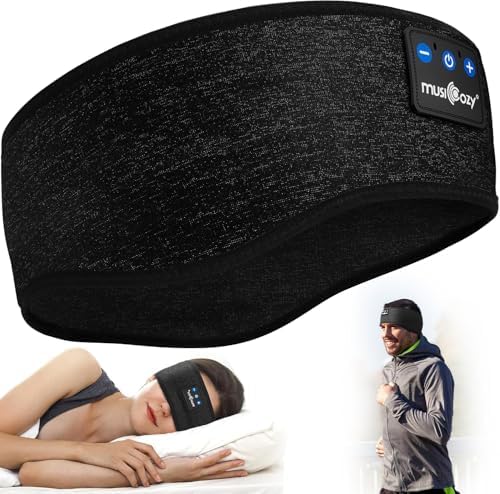
- ✳️【Sleep Headphones for Side Sleepers – Zero Pressure Points】Unlike …
- 🌥️【Headband Headphones That Stay in Place All Night】The elastic, one…
- 🎼 【Bluetooth Headband with Sleep‑Optimised Volume & 16+ Hour Battery…
- 💦【Breathable, Soft & Washable – Fresh Headband Earphones Every Night…
4) Bedroom Lighting: Warm, Dim, Consistent
Why it matters
Bright overheads at night delay melatonin. Warm, dim bedside lighting sets a consistent cue that it’s time to wind down.
Evidence: NHS Sleep Hygiene guidance; Harvard Health blue light summary.
How to do it
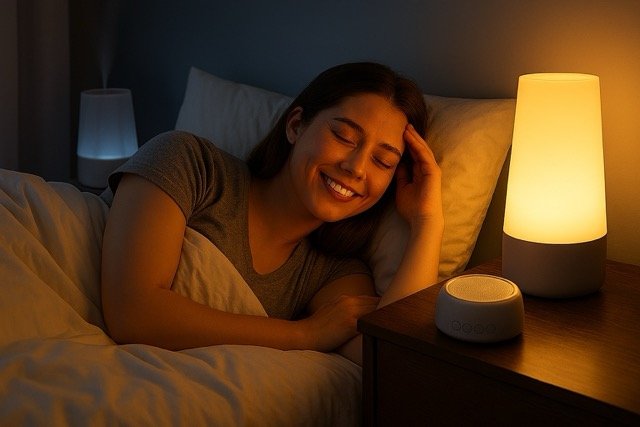
- Replace ceiling lights with warm bedside lamps 60–90 minutes before bed.
- Aim for low illuminance (think cosy lounge, not office).
- Pair with Step 2 (Night Mode dimming) for brief checks, if unavoidable.
5) Air Quality, CO₂, Temperature & Humidity
Why it matters
Poor ventilation and stale air (high CO₂) correlate with impaired sleep quality. Bedroom CO₂ should remain below 1,000 ppm—ideally below 800 ppm; temperature around 18–20 °C, humidity 40–60% RH.
How to do it
- Measure CO₂ overnight at pillow height. If >800–1000 ppm:
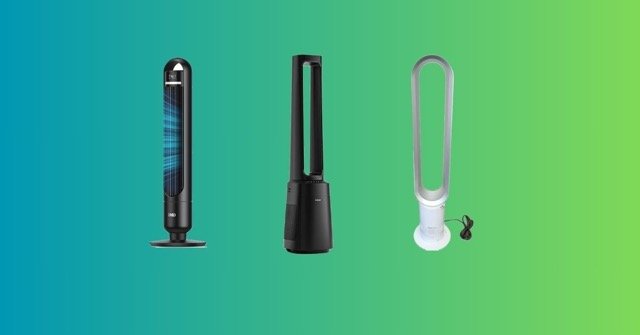
- Open a window (if safe/quiet) or run a quiet fan/ventilation system.
- Stabilise temperature around 18–20 °C (too warm reduces slow‑wave sleep).
- Humidifier/dehumidifier: keep 40–60% RH; avoid extremes to protect airways and sleep comfort.
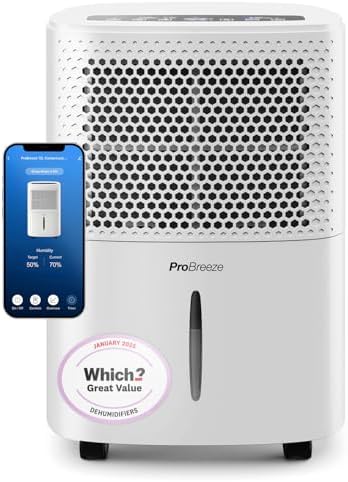
High Moisture Removal
Ultra-Quiet Operation
Smart App & Voice Control
Auto Humidity Control
24-Hour Timer & LED Display
Large Tank & Continuous Drainage
Air purifier (HEPA): filters particulates but does not add fresh air; pair with ventilation for best results.

6) Reduce Noise & Light to WHO‑Friendly Levels
Why it matters
The WHO night‑noise guidelines recommend <40 dB(A) outdoors at night and ~30 dB(A) in bedrooms for undisturbed sleep; keep rooms dark to support melatonin and slow‑wave sleep.
Evidence: WHO Night Noise & Community Noise guidance.
How to do it
- Block external light: blackout curtains and dim clock faces.
- Mask unpredictable sound at low volume (white/pink noise) or use earplugs if tolerated.
- Seal drafts that whistle or rattle; consider soft‑close latches.

7) The Complete 75‑Minute Wind‑Down (A Practical Script)
Timeline & actions
T‑75 minutes:
- Wind‑down alarm rings; Do Not Disturb on; phone charging outside bedroom.
- Lamp to warm dim (Aooshine or Smart RGB warm scene).
- Check CO₂/RH/temp on SwitchBot; open window/run fan if high CO₂; top up humidifier if RH <40%.
T‑60 minutes:
- Analogue wind‑down: journal 3–5 minutes (“tomorrow’s top 3” tasks), gentle stretches, or warm shower. NHS endorses consistent routines and offloading worries.
T‑45 minutes:
- Audio swap: play sleep stories or calming music (30–45 minute timer) on the Easysleep/Dreamegg machine; keep the volume low.
T‑30 minutes:
- Brief device check only if essential: Night Mode warmest + minimum brightness; keep under 30 seconds. Evidence shows dimming matters as much as the spectrum.
Lights‑out:
- Room cool (18–20 °C), quiet, dark. Blackout curtains shut; audio timer fades; drift into sleep.
- If external noise persists, add earplugs or pink noise at low volume (timer on).
Frequently Asked Questions
Do blue‑light glasses help me sleep?
They may reduce eye strain, but the benefits of sleep are mixed. Prioritise the no-scroll hour and warm, dim lighting.
Is Night Mode enough?
No. Warm spectrum helps, but high brightness still suppresses melatonin. Use the warmest Night Mode and aggressive dimming—and avoid screens in the last hour whenever possible.
What if I’m a night owl?
You’re more sensitive to late screens. A strict no‑scroll hour and warm, dim lights can shift bedtime earlier and improve sleep quality.
Ideal bedroom climate?
Aim ~18–20 °C, 40–60% RH, CO₂ <800–1000 ppm; keep noise low and light minimal.